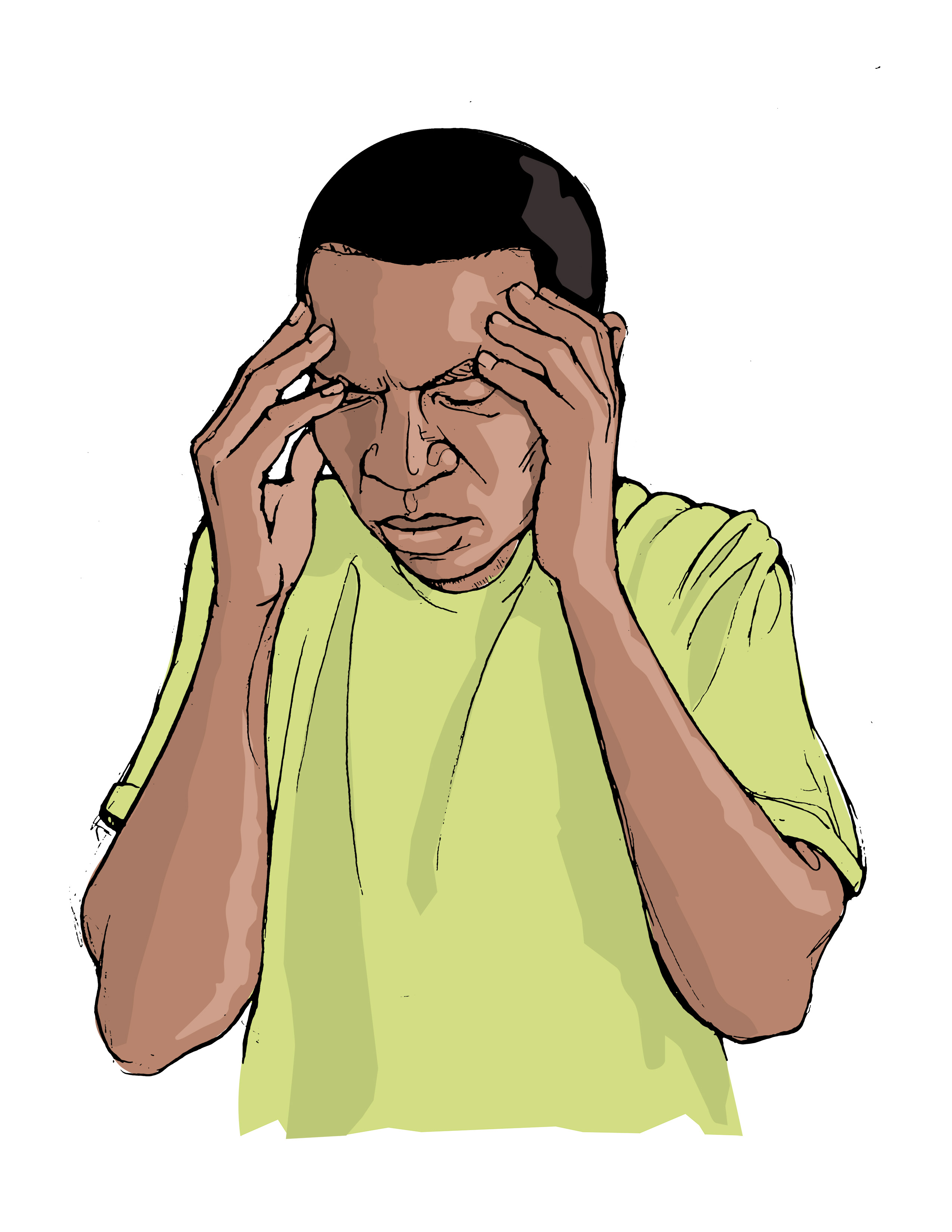
Neurologist in Libertyville: When Headaches Need Specialist Care
Headaches rarely need a visit to a brain doctor. Pain relief often comes from meds you buy without a prescription - along with sleep, drinking enough, and handling pressure. Yet if headaches keep coming back hard, last long, or mess up job, rest, or daily life, then reaching out makes sense.
Over at A Ray of Hope in Libertyville, IL, the team of board-certified neurologists focuses on identifying and managing tough headache conditions - migraines, cluster headaches, and constant daily pain, among others. Patients from areas like Libertyville, Gurnee, Mundelein, Vernon Hills, and Waukegan have access to comprehensive testing and the latest therapies right in the clinic.
Maybe you’ve held back from booking that neurology visit, wondering if your headaches truly need attention. Spotting what signals deeper concern can start to make sense here.
When a Headache Is More Than Just a Headache
A headache doesn’t always need a brain specialist - yet some signs suggest caution. When symptoms show up in particular ways, that’s when experts like neurologists step in.
1. Your Headaches Are Chronic or Frequent
Headaches that happen over 15 days each month, often 3 months straight, could point to long-term headache issues or frequent migraines. It isn’t merely bad luck or enduring pain - this is a real brain-related condition needing focused care.
According to the Mayo Clinic, 4 to 5 out of every 100 people have long-term daily headaches. Many skip seeking care, thinking nothing will work. Seeing a brain specialist might clarify whether the pain comes from strain, flashes of intense stuff, or a mix of the two. Getting real help means targeting what's driving the ache, not only covering it up.
2. Over-the-Counter Medications Aren't Working Anymore
If ibuprofen, acetaminophen, or aspirin no longer help - or if you take them two to three times weekly - it might be worth consulting a specialist. Using over-the-counter pain meds too often can sometimes start a cycle of worsening headaches; this is known as medication overuse headache or rebound headache.
A neurologist can prescribe more effective treatments, designed to stop headaches earlier, instead of only after they’re already strong. For patients with migraines, preventive treatments such as Botox injections aren't available over the counter but can be life-changing for people with chronic headache disorders.
3. Your Headaches Come with Neurological Symptoms
When head pain is accompanied by flashing lights, numbness, or trouble talking, something bigger might be happening. It may point to a migraine starting early, yet it could hint at deeper issues like blood flow trouble. Signs like sudden confusion or limb stiffness need attention fast because brain problems can strike without warning.
Should your symptoms clear up within minutes or hours, still reach out to a neurologist - knowing what triggered it matters. Over at A Ray of Hope, the team in Libertyville runs tests to identify deeper issues, ensuring the root cause is clearly visible.
4. Your Headache Pattern Has Changed
When your headache acts stranger than before - sharper, worse lately, or now with odd features - see a brain specialist. Shifts in how often or strongly you hurt don’t just annoy - they may point to something serious, demanding quick care.
Look out, too, when your age passes 50, and a fresh kind of headache shows up. Are headaches getting stronger from day to day? That detail matters. Though nine out of ten headaches pose no serious threat, shifts like these require expert attention. Better safe than skipping ahead without checking what might be building quietly beneath the surface.
5. Headaches Are Disrupting Your Life
Help might be necessary long before pain becomes severe. Missing job duties, bailing on social events, skipping hobbies that once brought joy, spending too much time in shadowed spaces weekly - these signals warrant a visit from a neurologist.
Living through constant migraines or recurring head pressure feels normal to some - yet real answers exist. In Libertyville, meeting our headache experts opens the door to options that lesser clinicians might overlook.
What to Expect at Your First Neurology Appointment in Libertyville
At first, it might feel unclear what happens during your initial visit with a neurologist. Knowing this step by step could reduce any tension associated with going there.
Your neurologist will begin with a detailed headache history. Expect questions like: When did your headaches begin? That might come up first. Frequency matters too - how soon one ends, how soon another starts. Pain spot is key; does it hit one side, wrap around, or press down? Describe the sensation - throbbing, stabbing, heavy, maybe flickering like fire? Things that ease or worsen matter just as much. Have flashes of pattern emerged from routine moments? Writing down each episode over several weeks before meeting them may quietly reveal hidden rhythms.
Questions about past health issues will come up, too. Because there might be ties to headaches in relatives, that part matters just as much. What you take every day - prescription drugs, even things from the pharmacy shelf - is something being tracked closely. Sleep patterns, how you handle pressure, your eating habits - all these fit into the picture drawn here. Odd sensations or small changes noticed elsewhere in the body could be worth mentioning, regardless of whether anyone first said "headache."
Above all else, your neurologist will help shape a custom approach tailored to your situation. Prevention strategies may be part of it, along with quick-acting options whenever headaches appear. Changes to daily habits could fit in, either instead of or alongside these steps. You might also be sent to experts who focus on movement or other linked areas - just to see what helps. After each visit, plans get reviewed again, and small tweaks are made until things improve.
Treatment Options Available in Libertyville
At A Ray of Hope, care comes complete - your neurology team handles everything from standard options to newer methods rarely seen elsewhere. Treatment isn’t limited by what others do; instead, it grows from what works differently here.
People who have long-term migraines often see fewer headaches after Botox treatments. Some never get better from pills meant to stop attacks, yet this option helps where others fail.
For acute migraine attacks, prescription medications are available, as well as anti-nausea medications and other supportive treatments. For patients with cluster headaches or severe migraines that don't respond to standard treatments, nerve block procedures including sphenopalatine ganglion blocks (Sphenocath) can provide rapid relief.
Finding a Neurologist in Libertyville and Surrounding Areas
A Ray of Hope serves patients throughout Lake County, including Libertyville, Gurnee, Mundelein, Vernon Hills, and Waukegan. Our neurology providers are board-certified and experienced in treating the full spectrum of neurological symptoms and headache disorders.
To schedule an appointment with a neurologist in Libertyville, call (847) 816-6335 or visit our Libertyville location page to view our neurology providers and book online.
When it comes to severe headaches - especially ones with fever or a stiff neck - or headaches following a blow to the head, time doesn’t wait; rush to an urgent care center instead of holding off for a regular appointment. Other signs, such as numbness in limbs or trouble getting words out, demand swift attention too.
Living with frequent headaches is possible, yet relief exists. Start by seeing someone trained to recognize your specific pattern. A correct diagnosis comes from a professional familiar with these conditions. Treatment works only when based on accurate insight.
© 2026 A Ray of Hope Neurology and Psychiatry. All rights Reserved - Accessibility Statement - Privacy Policy - Sitemap
Managed and Designed by 
NOW ACCEPTING NEW PATIENTS
Child and Adolescent Psychiatry
Board-certified child psychiatrist with appointment openings now!
Call (847) 816-6335 Meet Christian Schmidt, MD