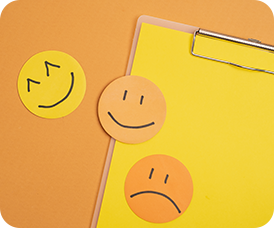
Mood tracking is one of the simplest yet most powerful tools in mental health treatment. By monitoring your mood, energy, sleep, and symptoms over time, you can identify patterns, recognize early warning signs, and provide your treatment team with objective data about how you're doing.
Research published in JMIR Mental Health shows that patients who regularly track their mood have better treatment outcomes, higher medication adherence, and faster symptom improvement than those who don't. This page provides evidence-based mood tracking tools and explains how to use them effectively.
Why Mood Tracking Matters
According to research in the Journal of Affective Disorders, mood tracking helps:
Identify Patterns
You might not realize that your anxiety spikes every Sunday evening, or that your mood drops consistently 3-5 days before your period. Tracking reveals patterns you can't see when you're living through them day by day.
Recognize Triggers
Tracking helps you connect your mood to specific events, stressors, or situations. Maybe your mood always dips after phone calls with a certain family member, or your anxiety worsens when you're not sleeping enough.
Evaluate Treatment Effectiveness
If you started a new medication or began therapy, mood tracking provides objective evidence of whether it's working. Your provider can review your tracking data and adjust treatment if needed.
Catch Warning Signs Early
For conditions like bipolar disorder or recurrent depression, tracking helps you recognize early warning signs of a mood episode before it becomes a full crisis. Early intervention can prevent hospitalization.
Improve Communication with Your Provider
When your therapist or psychiatrist asks, "How have you been since our last appointment?", tracking data gives you a clear, specific answer rather than relying on memory (which is often unreliable when you're depressed or anxious).
How to Track Your Mood Effectively
What to Track
Daily mood rating (1-10 scale)
Rate your overall mood each day. Use a consistent scale (e.g., 1 = worst possible mood, 10 = best possible mood) to compare across days.Energy level (1-10 scale)
Low energy is a core symptom of depression. High energy (especially if it's accompanied by racing thoughts or impulsivity) can signal hypomania or mania.Sleep quality and quantity
How many hours did you sleep? How many times did you wake up? Do you feel rested? Sleep problems often precede or worsen mental health symptoms.Anxiety level (1-10 scale)
For people with anxiety disorders, tracking anxiety intensity helps identify what situations or thoughts trigger anxiety spikes.Medication adherence
Did you take your medication as prescribed? Missed doses are one of the most common reasons treatment "stops working."Notable events or stressors
Briefly note anything significant that happened (argument with partner, stressful work deadline, social event, exercise, therapy appointment, etc.)When to Track
The best time to track is the same time every day. Most people find evening tracking easiest—spend 2 minutes before bed rating your mood, energy, and sleep from the previous night.
If you forget a day, estimate as best you can. Consistent tracking is more important than perfect tracking.
What NOT to Do
Don't track only when you're struggling. You need data from both good days and bad days to see the full picture.
Don't overthink your ratings. Your first instinct is usually accurate. If you spend 10 minutes agonizing over whether your mood was a 6 or a 7, you're missing the point.
Don't judge yourself based on your data. Tracking is for observation, not self-criticism. A low mood day isn't a failure—it's information.
Mood Tracking Tools

Simple Daily Mood
Tracker What it tracks:
Overall mood (1-10)
Energy level (1-10)
Anxiety level (1-10)
Sleep hours
Medication taken (yes/no)
Brief notes
Best for: General mood monitoring for depression, anxiety, or medication management

Bipolar Mood Chart
What it tracks:
Mood (with separate scales for depression and elevation)
Sleep hours
Medication adherence
Weight (some mood stabilizers cause weight changes)
Menstrual cycle (for people who menstruate—hormones affect mood)
Notable events
Best for: Bipolar disorder, cyclothymia, or recurrent depression

Anxiety & Panic Log
What it tracks:
Daily anxiety level (1-10)
Number of panic attacks (if any)
Duration of each panic attack
Triggers or situations that preceded anxiety spikes
Coping strategies used
Effectiveness of coping strategies
Best for: Panic disorder, generalized anxiety disorder, social anxiety

ADHD Symptom Tracker
What it tracks:
Focus and concentration (1-10)
Impulsivity level (1-10)
Hyperactivity or restlessness (1-10)
Medication taken and timing
Tasks completed vs. started
Sleep and exercise
Best for: Adults and teens with ADHD, monitoring medication effectiveness
Digital vs. Paper Tracking
Paper tracking has advantages:
No screen time required (helpful if you're trying to reduce phone use)
The physical act of writing can increase awareness
Easy to review at a glance Digital tracking (apps) has advantages:
Reminders to track daily
Automatic graphs and pattern analysis
Easy to share data with your provider
Our recommendation: Use whichever method you'll actually stick with. Consistency matters more than format.
Reviewing Your Mood Data
Weekly Review
Every week, look back at your tracking data and ask:
What was my average mood this week?
Were there any particularly good or bad days? What happened on those days?
Did I notice any patterns?
How well did I sleep this week?
Did I take my medication consistently?
Monthly Review
Once a month, look for broader patterns:
Is my mood improving, stable, or worsening over time?
Are there patterns related to my menstrual cycle? (if applicable)
Are there recurring triggers I need to address?
Is my current treatment working? Should I talk to my provider about adjustments?
Sharing Tracking Data with Your Provider
Bring your tracking sheets to appointments. Your therapist or psychiatrist can review them with you and use the data to inform treatment decisions.
Don't wait until the appointment to look at your data. Review it beforehand so you can point out patterns or concerns.
Be honest about gaps in tracking. If you stopped tracking for two weeks because your depression got worse, that's important information—tell your provider.
When Mood Tracking Becomes Unhelpful
For most people, mood tracking is beneficial. But for some, it can become obsessive or anxiety-provoking. Stop tracking (or modify your approach) if:
You're checking your mood multiple times per hour
You're spending more than 5 minutes per day on tracking
Tracking is increasing your anxiety rather than reducing it
You're using tracking data to criticize yourself
If this happens, talk to your therapist about whether tracking is right for you, or whether a different approach (like weekly check-ins instead of daily tracking) would work better.
Additional Resources

© 2026 A Ray of Hope Neurology and Psychiatry. All rights Reserved - Accessibility Statement - Privacy Policy - Sitemap
Managed and Designed by 

NOW ACCEPTING NEW PATIENTS
Child and Adolescent Psychiatry
Board certified child psychiatrist with appointment openings now!
Call (847) 816-6335 Meet Christian Schmidt, MD