
Is Numbness Caused by Neuropathy? Understanding the Link Between Nerve Damage and Numbness in Hands and Feet
Numbness can be difficult to describe. Your foot may feel as though it has fallen asleep, your fingers may seem strangely disconnected, or part of your skin may feel less sensitive than usual. Sometimes the sensation disappears after changing position. Other times, it keeps returning without an obvious explanation.
So, is numbness caused by neuropathy?
It can be. Neuropathy is an important cause of numbness, particularly in the hands and feet. However, numbness does not automatically mean you have neuropathy. Temporary pressure on a nerve, a pinched nerve in the neck or back, certain vitamin deficiencies, and other neurological conditions can produce similar symptoms.
The important question is not simply whether you feel numb. It is why the sensation has changed, which nerves may be involved, and whether the problem needs medical attention.
What Is Neuropathy, and Why Does It Cause Numbness?
Neuropathy refers to damage or dysfunction affecting one or more nerves. When the nerves outside the brain and spinal cord are involved, the condition is often called peripheral neuropathy.These nerves carry messages between the central nervous system and the rest of the body. Sensory nerves communicate information about touch, temperature, pressure, and pain. When these nerves are damaged, the messages they carry may become weaker, distorted, or interrupted.
As a result, the brain may receive incomplete information from a particular area of the body.
This can lead to:
- Numbness: Reduced or absent sensation in part of the body.
- Tingling: A pins-and-needles feeling, sometimes described as prickling.
- Burning or shooting pain: Unusual sensations caused by abnormal nerve signaling.
- Reduced temperature or pain sensation: Difficulty recognizing heat, cold, or injuries.
- Increased sensitivity: Ordinary touch may feel uncomfortable or painful.
Neuropathy does not affect every person in the same way. Some people experience pain before noticeable numbness. Others primarily lose sensation, while some develop muscle weakness or balance problems. The symptoms depend partly on which nerves are affected.
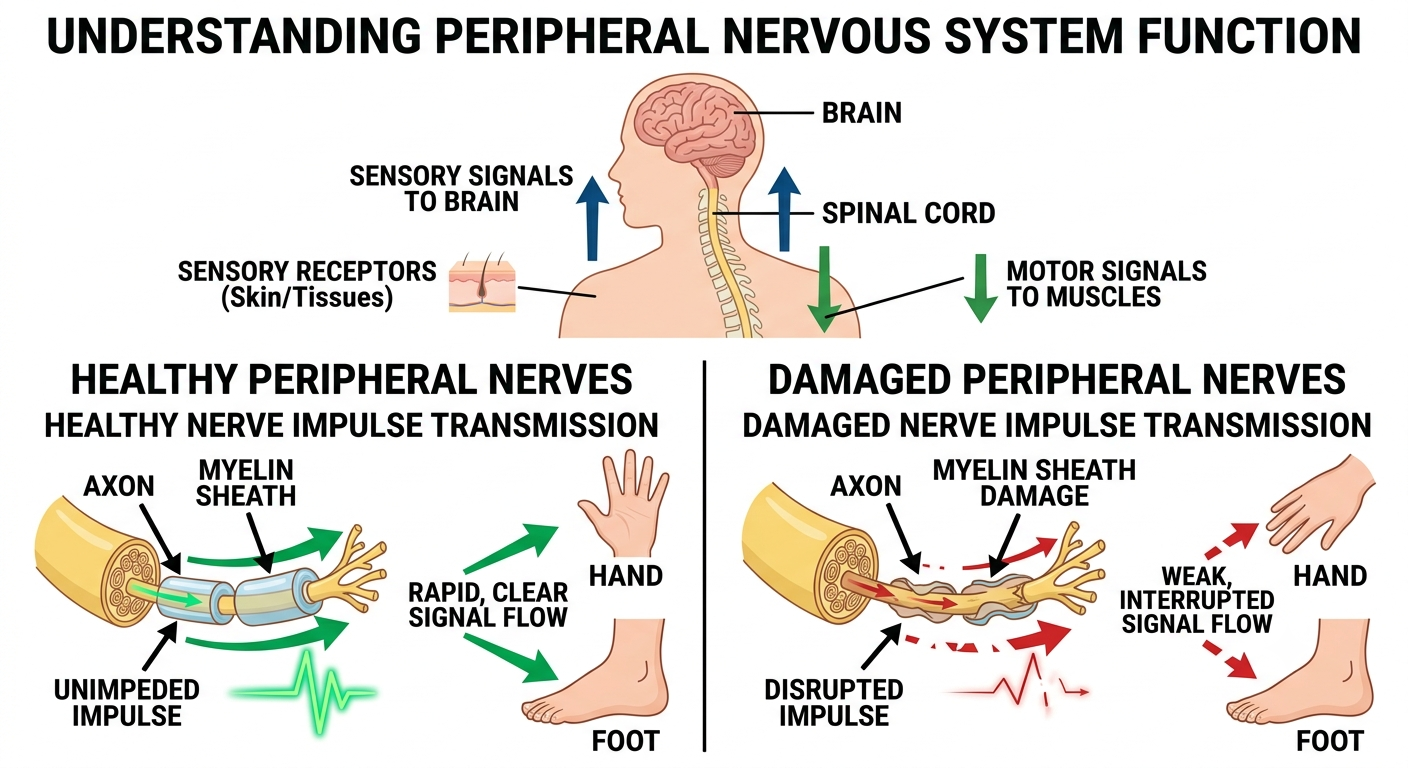
Peripheral nerves carry sensory information between the body and the nervous system. Damage to these nerves can interfere with normal sensation.
How Does Neuropathy Lead to Numbness in Hands and Feet?
Peripheral neuropathy frequently affects the longest nerves in the body first. These nerves extend from the lower spine toward the feet, so they may be particularly vulnerable to certain types of nerve damage.This is one reason neuropathy-related numbness often begins in the toes, soles, or feet. In some cases, symptoms gradually move upward into the legs. The hands may become affected later, creating a pattern sometimes described as “stocking-and-glove” numbness.
However, not every person with neuropathy develops this pattern.
A single damaged nerve may cause symptoms in a more limited area. For example, compression of a nerve at the wrist may affect specific fingers, while a nerve-root problem in the neck may cause symptoms that travel into one arm.
The location and pattern of numbness can therefore provide important clues during a neurological evaluation.
Common Causes of Neuropathy-Related Numbness
Neuropathy is not one single disease with one universal cause. Several medical conditions, exposures, and injuries can affect nerve function.Diabetes and Blood Sugar Problems
Diabetes is one of the most common causes of peripheral neuropathy. Persistently elevated blood sugar can damage nerves and the small blood vessels that help support them.
Numbness may develop gradually, often affecting the feet first. Some people notice tingling, burning, or reduced sensation before they realize that an injury or blister is present.
People with diabetes should pay particular attention to changes in foot sensation because reduced feeling can make injuries easier to overlook.
Vitamin B12 Deficiency
Vitamin B12 plays an important role in maintaining healthy nerve function. A deficiency can cause neurological symptoms, including numbness and tingling.
The symptoms may affect the hands, feet, or other parts of the body. B12 deficiency can occur for several reasons, including problems absorbing the vitamin, certain medical conditions, or dietary limitations.
A blood test may help identify a deficiency when a clinician considers it a possible cause. Taking supplements without identifying the underlying problem is not always the best approach.
Alcohol-Related Nerve Damage
Long-term, excessive alcohol use can contribute to peripheral nerve damage. This may involve direct effects on nerves as well as nutritional deficiencies associated with heavy alcohol consumption.
Symptoms can include numbness, burning, weakness, and changes in balance. Reducing alcohol intake may be an important part of managing the underlying risk, although existing nerve damage may not reverse immediately.
Medication-Related Neuropathy
Some medications, including certain chemotherapy drugs, can affect peripheral nerves.
The likelihood and severity of symptoms depend on the medication, dosage, duration of treatment, and individual factors. Anyone who develops new numbness after starting a medication should discuss it with the prescribing clinician rather than stopping treatment independently.
Other Possible Causes
Additional causes of peripheral neuropathy include:
- Autoimmune conditions: Certain disorders can cause the immune system to damage nerves.
- Kidney or other systemic diseases: Some medical conditions can affect nerve health.
- Inherited disorders: Certain genetic conditions can cause progressive peripheral nerve problems.
- Infections or toxins: Some infections and toxic exposures can injure nerves.
- Physical injury: Trauma may damage an individual nerve or a group of nerves.
Sometimes, despite a detailed evaluation, a definite cause cannot be identified. This is often called idiopathic neuropathy.
Is All Numbness Caused by Neuropathy?
No. This is one of the most important distinctions to understand.Numbness is a symptom, not a diagnosis. The same sensation may occur because a nerve is temporarily compressed, permanently damaged, irritated, or affected by a problem elsewhere in the nervous system.
Temporary Pressure on a Nerve
Have you ever sat on your leg for too long and noticed that your foot felt numb afterward?This usually happens because pressure temporarily interferes with normal nerve function. Once the pressure is removed and circulation and nerve signaling return to normal, the sensation typically improves within minutes.
Occasional numbness that follows an obvious position-related cause is different from numbness that develops without explanation or keeps returning.
Pinched Nerves in the Neck or Back
A nerve root can become compressed or irritated as it leaves the spine. This may happen because of a disc problem, narrowing around the spinal nerves, or other structural changes.The resulting symptoms may travel along a recognizable path.
For example:
- Neck-related nerve compression: May cause numbness, tingling, or weakness in an arm or hand.
- Lower-back nerve compression: May cause symptoms extending into the buttock, leg, or foot.
- Localized nerve compression: May affect a specific region supplied by that nerve.
This type of problem is not necessarily the same as generalized peripheral neuropathy.
Carpal Tunnel Syndrome
Carpal tunnel syndrome occurs when the median nerve is compressed at the wrist. It commonly causes numbness or tingling in the thumb, index finger, middle finger, and part of the ring finger.Symptoms may become more noticeable at night or during activities involving repetitive wrist use.
Although carpal tunnel syndrome is a type of peripheral nerve disorder, its localized pattern differs from the widespread numbness often associated with polyneuropathy.
Problems Affecting the Brain or Spinal Cord
In some cases, numbness may originate from the central nervous system rather than the peripheral nerves.A sudden loss of sensation, particularly when it affects one side of the body or occurs with other neurological symptoms, requires urgent assessment. It should not automatically be attributed to neuropathy.
The distinction between peripheral nerve damage, nerve compression, and central nervous system conditions is one reason a proper neurological examination matters.
What Do Peripheral Neuropathy Symptoms Feel Like?
People describe neuropathy and numbness in different ways. The sensation may be subtle at first and become more noticeable over time.Common descriptions include:
- “My feet feel asleep.” Sensation seems reduced even when there is no obvious pressure on the nerves.
- “It feels like I am wearing invisible socks.” The skin may feel strangely covered or disconnected.
- “There are pins and needles in my fingers.” Tingling may occur alongside reduced sensation.
- “My feet are burning, but they are not hot.” Nerve-related burning can occur without an external heat source.
- “I cannot feel the floor properly.” Reduced sensation may affect balance and awareness of foot position.
- “I keep dropping things.” If motor nerves are affected, weakness may accompany sensory symptoms.
Symptoms may be constant or intermittent. They may affect both sides of the body or remain limited to a particular nerve distribution.
A symptom diary can sometimes help identify patterns. Recording when the numbness occurs, how long it lasts, where it begins, and whether it is associated with pain or weakness can give a clinician useful information.
When Should Numbness Be Evaluated by a Neurologist?
Not every brief episode of numbness requires extensive testing. However, unexplained or persistent symptoms deserve attention, especially when they interfere with normal activities.Consider arranging a medical evaluation if you experience:
- Persistent numbness: The sensation does not resolve or keeps returning.
- Progressive symptoms: Numbness is spreading or becoming more intense.
- Weakness: You have difficulty gripping objects, lifting your foot, or climbing stairs.
- Balance problems: You feel unsteady or have difficulty knowing where your feet are positioned.
- Loss of protective sensation: You do not reliably feel heat, pain, or injuries.
- Unexplained symptoms: Numbness occurs without an obvious positional or mechanical cause.
- Associated neurological changes: Numbness occurs alongside other concerning sensory or motor symptoms.
Important: Sudden numbness, especially on one side of the body, or numbness accompanied by facial drooping, speech difficulty, sudden vision changes, severe dizziness, or new weakness may indicate a medical emergency. Seek emergency medical care rather than waiting for a routine appointment.
How Is Neuropathy-Related Numbness Diagnosed?
There is no single symptom that proves numbness is caused by neuropathy. Diagnosis usually begins with a detailed discussion of the symptoms and a neurological examination.A clinician may want to know:
- When did the numbness begin? Sudden onset and gradual development can suggest different causes.
- Where is it located? The distribution may help identify which nerves are involved.
- Is it symmetrical? Numbness in both feet may suggest a different pattern from numbness in one hand.
- Does it spread? Changes over time may provide important clues.
- Are there other symptoms? Pain, weakness, balance difficulties, and changes in reflexes may influence the evaluation.
- What medical conditions or medications are relevant? Diabetes, nutritional problems, and certain treatments can affect nerve function.
Blood Tests
Depending on the clinical situation, blood tests may be used to look for conditions that can cause or contribute to neuropathy.These may include tests related to blood sugar, vitamin levels, kidney function, thyroid function, or other suspected causes.
Testing should be guided by the patient's symptoms and medical history rather than performed as an identical checklist for everyone.
Neurological Examination
A neurological examination may assess:- Sensation to light touch, vibration, or temperature.
- Muscle strength.
- Reflexes.
- Coordination and balance.
- The distribution of sensory changes.
These findings help determine whether the symptoms appear to involve peripheral nerves, nerve roots, or another part of the nervous system.
EMG and Nerve Conduction Studies
When the cause of numbness is unclear, an electromyography test, commonly called an EMG, may be useful. A nerve conduction study is often performed alongside EMG. The two tests provide different but complementary information:
- Nerve conduction study: Measures how electrical signals travel through selected nerves.
- Needle EMG: Records electrical activity in selected muscles to help assess nerve and muscle function.
Together, these tests can help identify or support diagnoses involving peripheral neuropathy, nerve compression, radiculopathy, and certain neuromuscular disorders.
However, an EMG is not automatically necessary for every person with numbness. The decision depends on the symptoms, examination findings, and specific diagnostic question: Bansal Neuro.
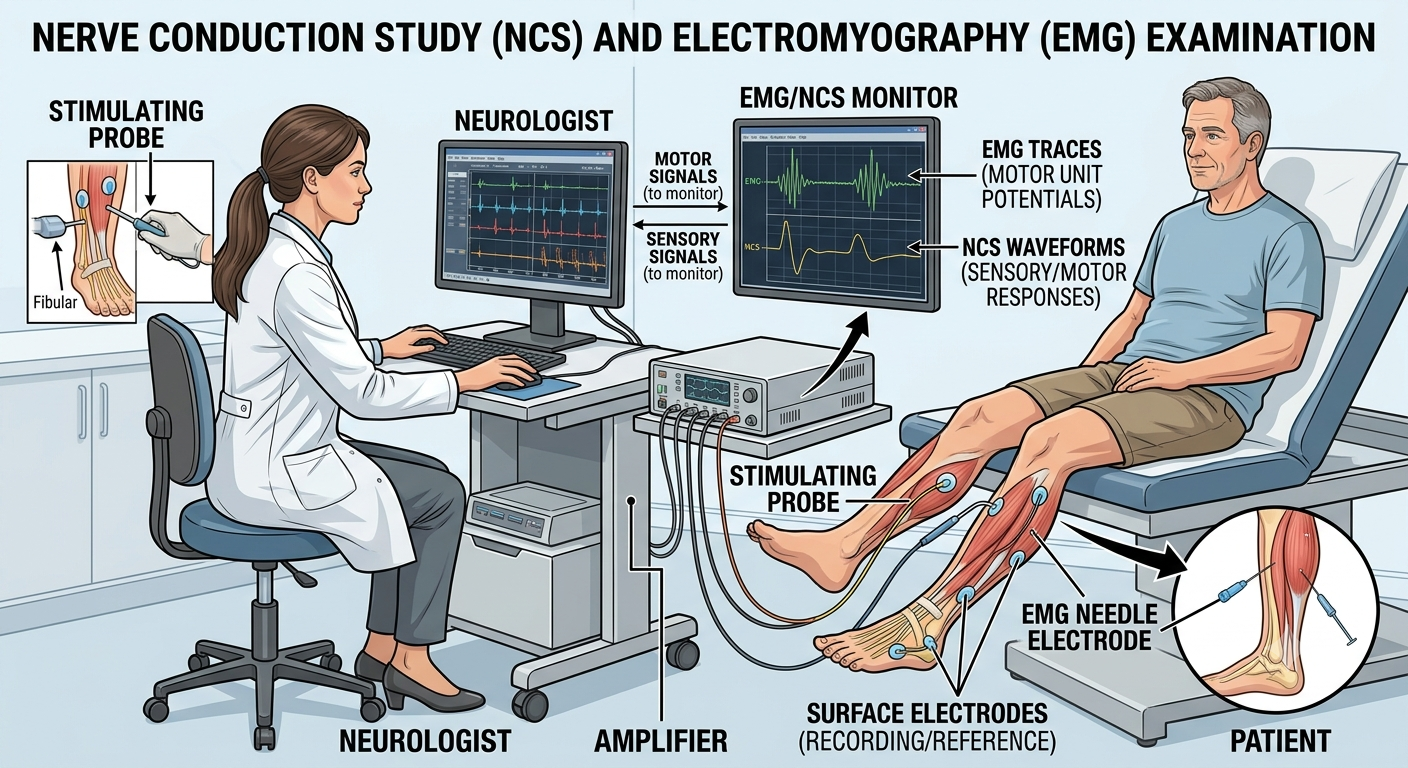
EMG and nerve conduction studies can provide information about how nerves and muscles are functioning when a neurological evaluation indicates that testing may be helpful.
Can Neuropathy-Related Numbness Be Treated?
Treatment depends on the cause, the nerves involved, and the extent of nerve damage.In some cases, addressing the underlying condition may help prevent further damage or improve symptoms. In other situations, treatment focuses on managing discomfort, protecting areas with reduced sensation, and maintaining function.
A treatment plan may involve:
- Addressing the underlying cause: Managing diabetes, correcting a confirmed nutritional deficiency, or treating another contributing condition.
- Reviewing medications: Identifying whether a medication may be contributing to symptoms.
- Managing nerve pain: When burning or painful sensations occur, a clinician may recommend appropriate treatments.
- Preventing injuries: People with reduced sensation may need to check their feet and hands regularly for cuts, burns, pressure points, or other injuries.
- Supporting mobility and balance: Physical therapy or other rehabilitation strategies may be useful when weakness or balance difficulties develop.
- Reducing contributing risks: Limiting excessive alcohol use and addressing other factors that may affect nerve health.
It is important to distinguish between treating nerve pain and restoring lost sensation. A medication may reduce burning or discomfort without repairing the underlying nerve damage. Similarly, improvement depends heavily on the cause and whether the nerve injury can recover.
The earlier a potentially treatable cause is identified, the more opportunities there may be to address it.
A Practical Example: Why the Pattern of Numbness Matters
Consider two people who both report numbness in their hands.The first person experiences tingling in the thumb, index finger, and middle finger, particularly at night. The symptoms are worse after repetitive wrist activity. This pattern may raise the possibility of median nerve compression at the wrist.
The second person has gradually developed numbness in both feet, followed by similar symptoms in the hands. They also report burning sensations and reduced awareness of temperature. This pattern may prompt an evaluation for a more widespread peripheral nerve disorder.
Both people have numbness, but the possible causes and appropriate next steps may be different.
The practical lesson: The location, timing, progression, and accompanying symptoms often matter as much as the sensation itself.
How Bansal Neuro Can Help Evaluate Numbness
Bansal Neuro, also known as A Ray of Hope Neurology and Psychiatry, provides neurological evaluation for symptoms involving the brain, nerves, and muscles.Its neurology services include assessment of conditions associated with numbness, tingling, weakness, and nerve pain. The practice also offers EMG and nerve conduction testing, which may help clarify the source of certain neurological symptoms when testing is clinically appropriate.
If numbness in your hands or feet is persistent, unexplained, or accompanied by other neurological changes, a consultation can help determine whether further evaluation is needed.
Learn more about neuropathy evaluation and treatment at Bansal Neuro or explore the practice’s neurology services.
A Final Point About Numbness
Numbness can be caused by neuropathy, but the symptom alone cannot establish the diagnosis.A brief episode after sleeping on an arm is different from numbness that gradually spreads through both feet. A tingling thumb may point toward a localized nerve problem, while sudden one-sided numbness may require emergency assessment.
What matters is recognizing the pattern rather than assuming every unusual sensation means nerve damage.
If numbness continues, returns without an obvious explanation, or begins affecting movement, balance, or everyday activities, it is worth finding out what is happening instead of simply waiting for the feeling to disappear.
Experiencing Numbness or Tingling?
Persistent numbness in your hands or feet deserves an appropriate evaluation. The team at Bansal Neuro can help assess possible neurological causes and determine whether further testing, including EMG or nerve conduction studies, may be appropriate.Request an Appointment with Bansal Neuro
The article is intended for general education and does not replace an examination or individualized medical advice.
© 2026 A Ray of Hope Neurology and Psychiatry. All rights Reserved - Accessibility Statement - Privacy Policy - Sitemap
Managed and Designed by 

NOW ACCEPTING NEW PATIENTS
Child and Adolescent Psychiatry
Board-certified child psychiatrist with appointment openings now!
Call (847) 816-6335 Meet Christian Schmidt, MD